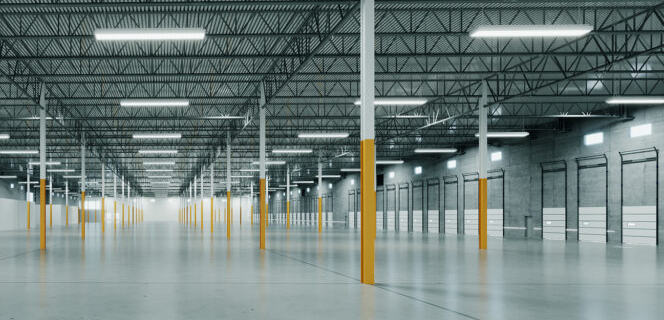
One of the most overlooked risks in a data center is the loading dock and logistics flow. In Data Center Security: The Blueprint for Resilient Infrastructure, I call out how organizations invest heavily in perimeter fencing and interior access controls, yet often treat the dock as a purely operational function. It becomes a blind spot, where packages, pallets, and people move in and out with far less scrutiny than the front entrance.
The problem starts with mindset. Loading docks are designed for efficiency, speed, throughput, and minimal friction. Security, by contrast, requires deliberate control, inspection, and verification. When those priorities collide, efficiency usually wins. Vendors arrive on tight schedules, drivers are waved through, and equipment is staged quickly to avoid delays. Over time, that operational pressure conditions teams to accept risk as part of the workflow.
Chain-of-custody is where the real exposure emerges. Equipment entering a data center, servers, networking gear, even replacement components, often passes through multiple hands before installation. Without strict verification processes, tampering can go undetected. A compromised device introduced at the dock bypasses many of the layered controls inside the facility because it arrives as “trusted” infrastructure. That’s a supply chain attack vector that doesn’t require breaching the perimeter, it walks in through an open bay door.
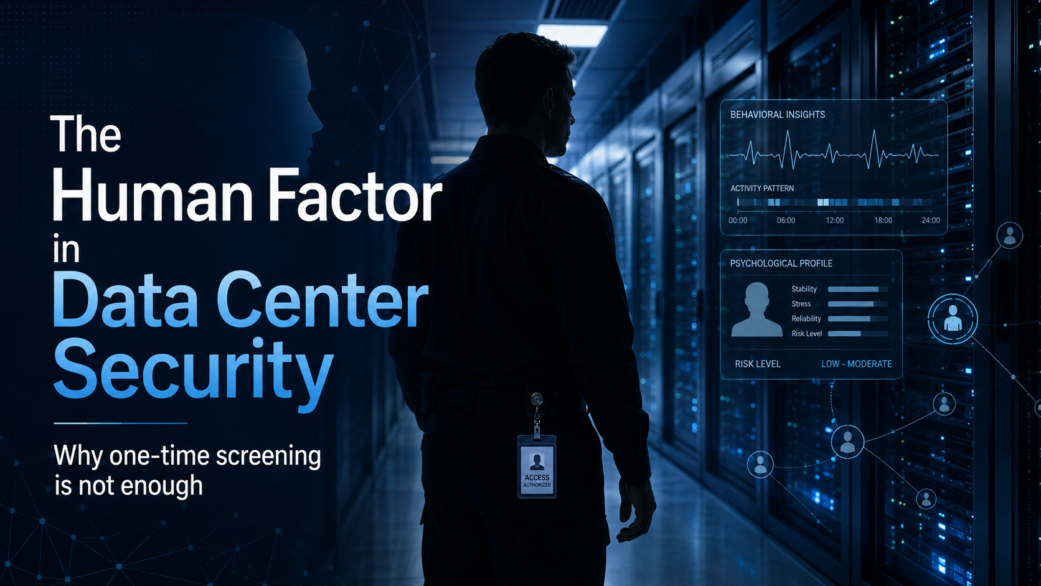
Identity and access control at the dock are also inconsistent. Delivery personnel, third-party contractors, and temporary staff frequently operate in this space with limited vetting compared to employees. Badge issuance may be ad hoc, escorting practices may vary, and accountability for who was present, and why, is often incomplete. In a worst-case scenario, an adversary doesn’t need to defeat your security systems; they just need to look like they belong during a busy delivery window.
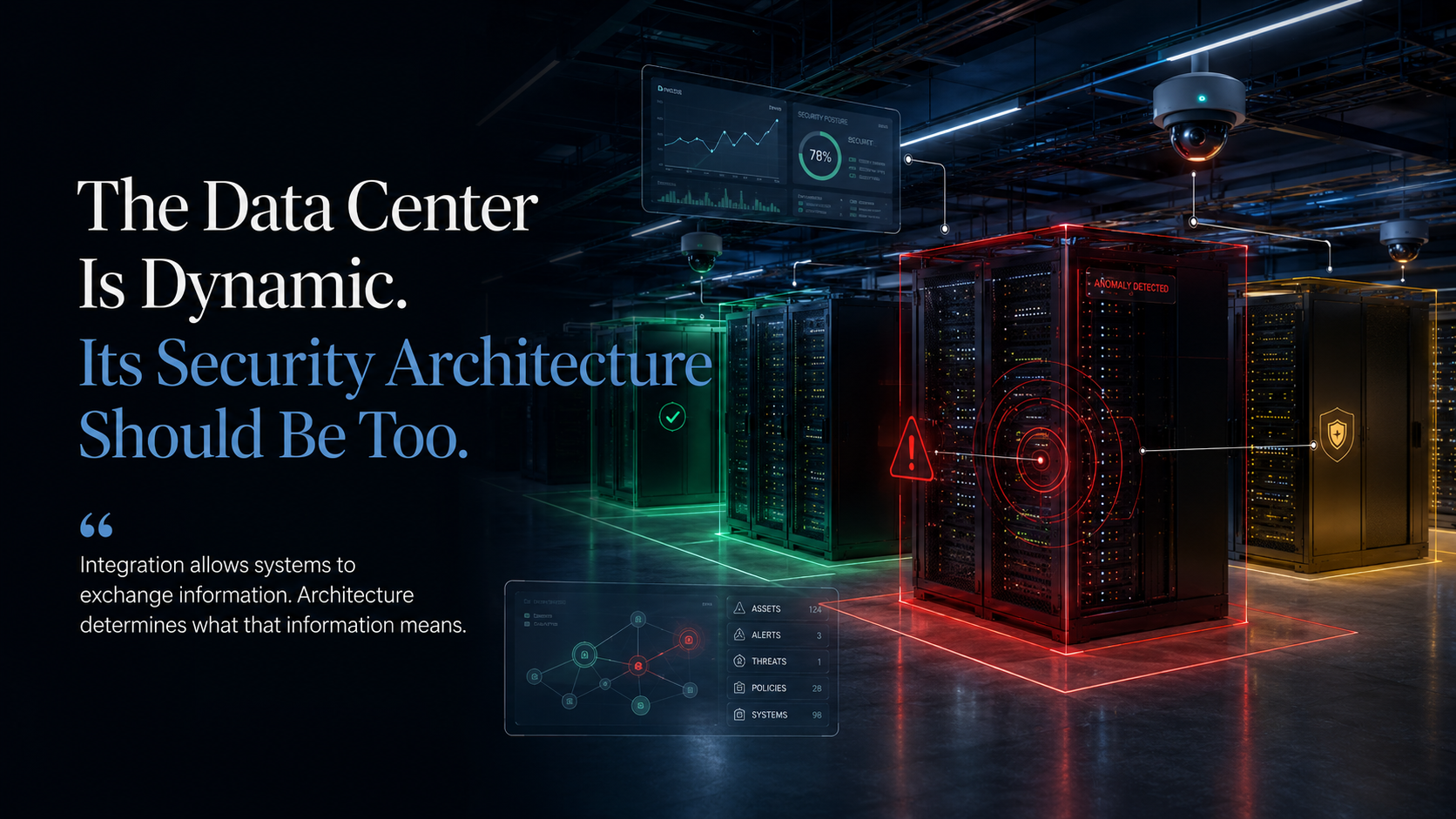
Visibility is another gap. Cameras are typically installed, but they’re rarely integrated into a broader operational picture. Security teams may not have real-time awareness of what shipments are expected, what assets are critical, or what anomalies to look for. Without integration between logistics systems, access control, and video analytics, the dock operates as a disconnected environment, rich in activity, but poor in actionable intelligence.
Establish clear chain-of-custody controls, verify equipment integrity before it moves beyond the dock, standardize identity management for all third-party personnel, and integrate logistics data with security monitoring. The loading dock is a primary entry point into your infrastructure. If you don’t secure what comes through that door, everything behind it is already at risk.