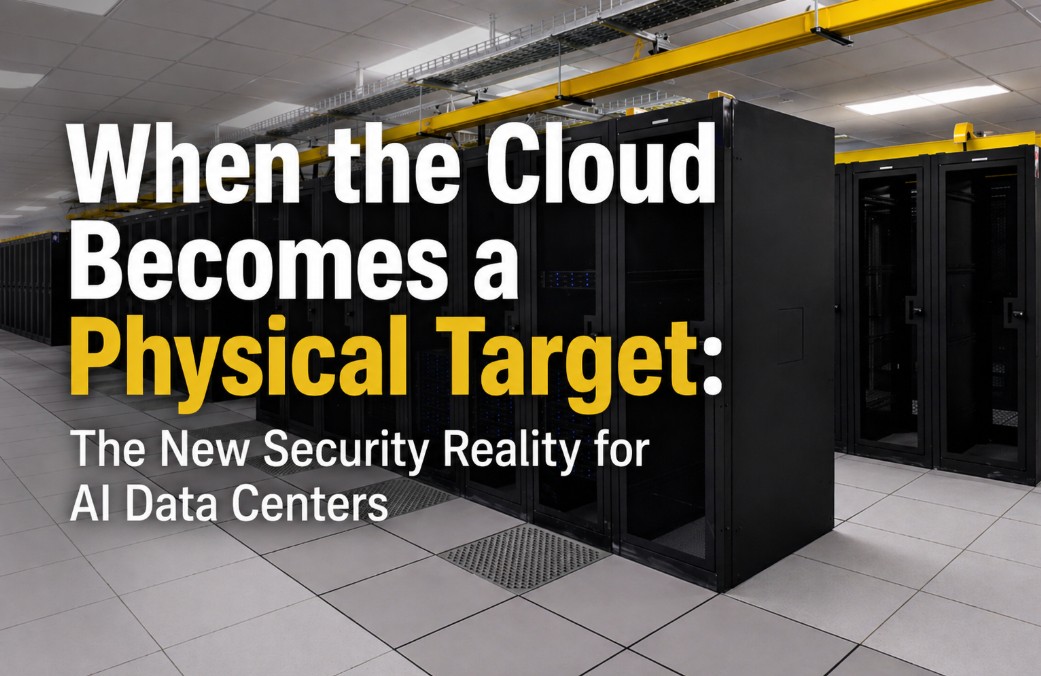
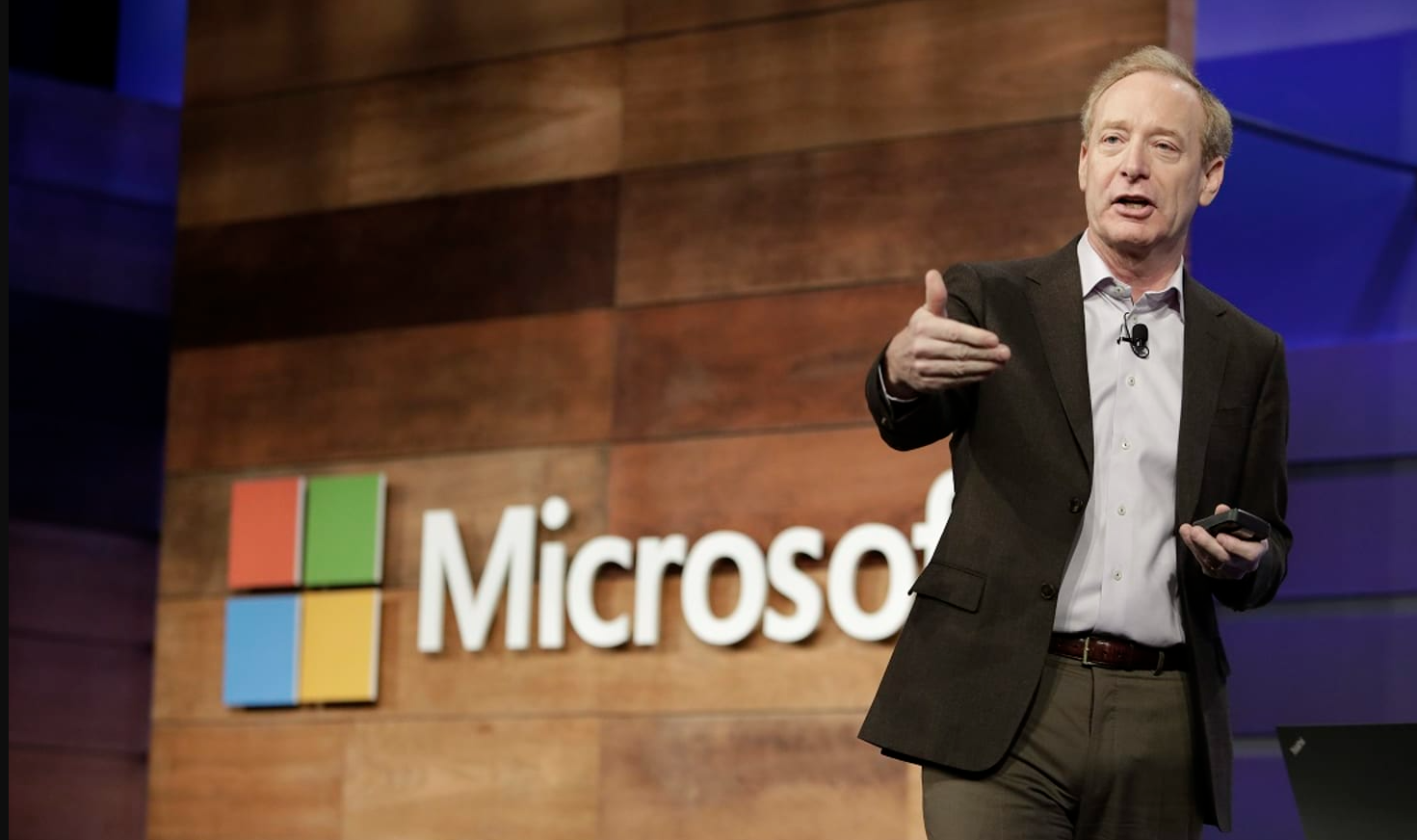
According to Nikkei Asia, Microsoft President Brad Smith said, the Mideast war will lead to more collaboration with governments, Brad Smith says. The remarks by Brad Smith in Asia signal a decisive turning point in how the world must think about data center security. What was once treated as a purely digital risk domain, cyberattacks, ransomware, and insider threats, has now expanded into the realm of kinetic warfare. The reported drone and missile strikes linked to Iranian activity against facilities in the Middle East have forced a hard reset: data centers are no longer just infrastructure, they are strategic assets, and increasingly, deliberate targets.
This shift is not theoretical. Facilities operated by Amazon Web Services in Bahrain and the UAE have reportedly been within the scope of these threats, demonstrating that even the most advanced hyperscale environments are physically vulnerable. The implication is profound: the same infrastructure that powers global commerce, artificial intelligence, and military-adjacent capabilities is now part of the modern battlefield. In this context, the distinction between civilian and strategic infrastructure begins to blur, particularly in regions where geopolitical tensions intersect with rapid digital expansion.
Smith’s call for stronger international rules to protect civilian infrastructure reflects a growing recognition that existing frameworks are inadequate. Data centers, especially those supporting AI workloads, are now tightly coupled with national competitiveness, economic stability, and defense ecosystems. Companies such as NVIDIA, Apple, Google, and Microsoft are no longer just commercial entities in this equation; they are embedded within a broader strategic architecture. When adversaries signal intent to target these organizations’ infrastructure, they are not merely attacking companies, they are challenging the systems that underpin global influence and technological leadership.
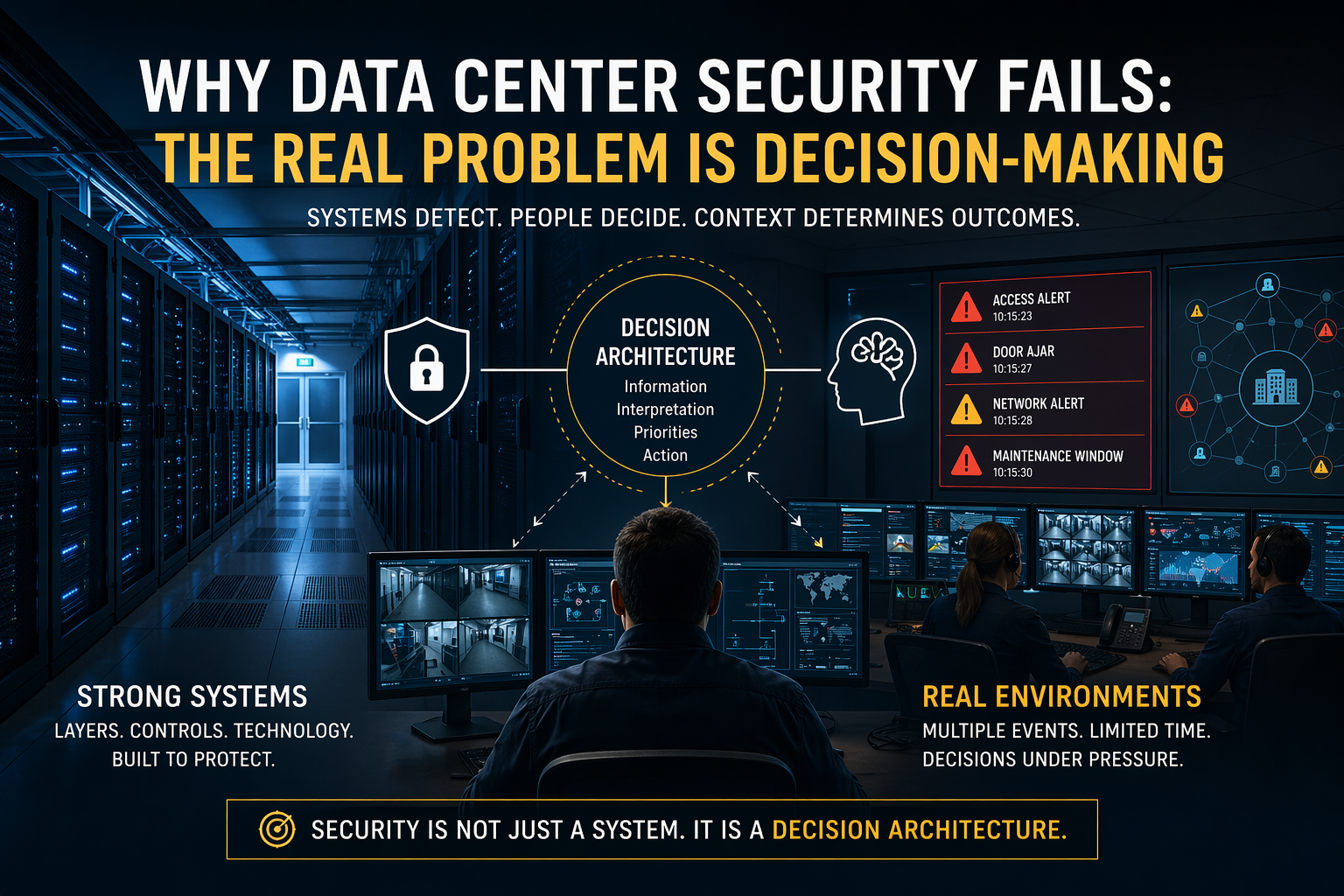
What emerges from this moment is a fundamental redefinition of “security by design.” The industry is moving beyond perimeter cameras and access control toward integrated, intelligence-driven defense systems. AI-enabled surveillance, autonomous drone patrols, and real-time threat detection are becoming baseline expectations. More importantly, there is a growing acknowledgment that governments may need to play a more active role, establishing minimum security standards, conducting audits, and potentially integrating public and private response mechanisms. This is not a departure from traditional security models; it is their evolution under pressure.
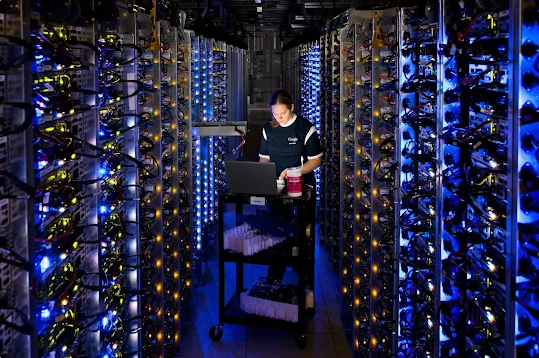
Equally significant are the design implications. The future data center may look very different from today’s glass-and-steel campuses. Hardened construction, subterranean deployments, and blast-resistant architectures are moving from edge cases to serious consideration. These are not simply engineering decisions, they are strategic investments in resilience. The question is no longer how to prevent unauthorized access, but how to ensure continuity of operations under conditions that resemble conflict rather than disruption.
Microsoft’s continued commitment to expanding in the Gulf region underscores a critical reality: the demand for digital infrastructure is not slowing down, even as the risks escalate. Instead, the industry is entering a phase where growth and threat coexist, requiring a new level of collaboration between governments, operators, and the AEC community. The “data center security landscape,” as Smith described it, has permanently shifted.
For security leaders, this moment demands clarity. Data centers must now be treated as critical infrastructure in the truest sense, designed, governed, and defended accordingly. The convergence of physical and cyber risk is no longer a forward-looking concept; it is the present operating environment. The organizations that recognize this shift and act on it, through design, policy, and partnership, will define the next standard for resilience in an increasingly contested world.