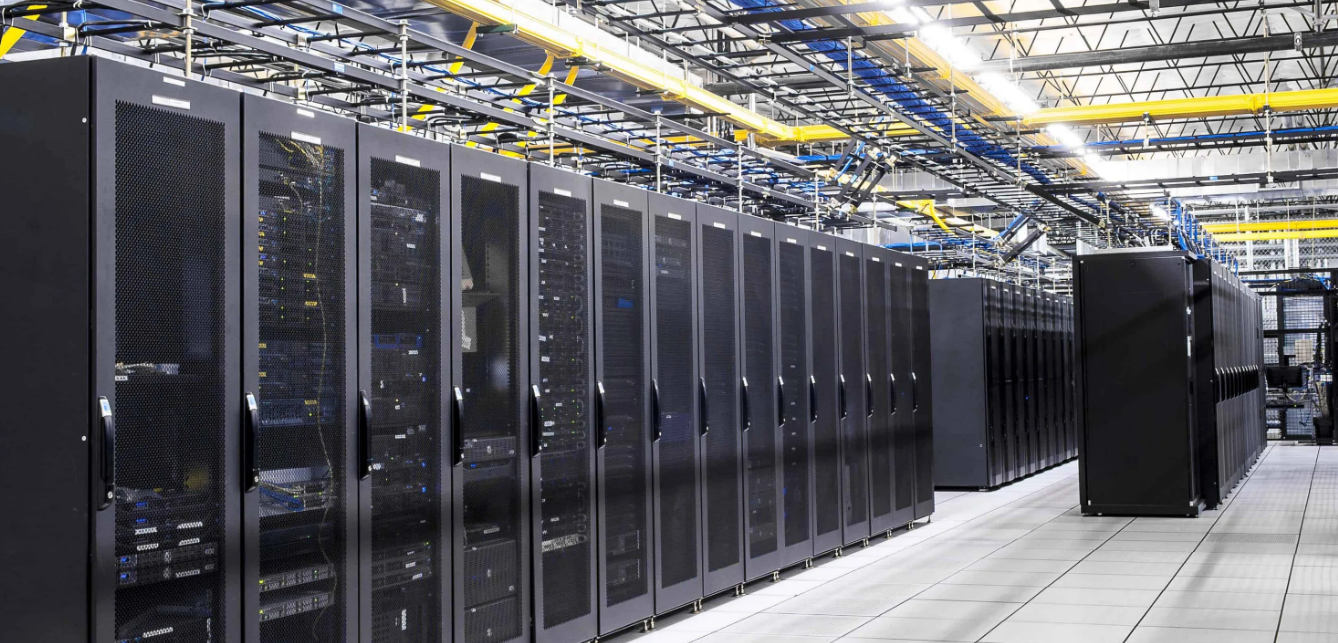
In modern data center environments, security discussions often emphasize perimeter controls, centralized monitoring, and system-wide visibility. While these layers are essential, they do not represent the point at which risk becomes operational. That point resides at the rack. The cabinet housing compute, storage, and network infrastructure is the closest physical boundary to critical systems and data. A failure at this level directly impacts availability, integrity, and trust, making rack-level security a primary control point rather than a secondary consideration.
The operational model of data centers has evolved significantly. Facilities now support multi-tenant deployments, third-party vendors, contractors, and remote hands services operating concurrently within the same physical space. Authorization to enter a data hall requires access control to move from location-based permissions to asset-level enforcement. The rack becomes the last enforceable boundary, requiring precise control, visibility, and accountability.
At the physical layer, rack-level security must be implemented as an integrated system rather than a standalone control. Electronic cabinet locking mechanisms should be connected to enterprise access control platforms, enabling identity-based access tied to individual users. Access rights must be granular, limited to specific cabinets, and constrained by defined time windows aligned with approved work activities. Door position switches, tamper detection sensors, and real-time alerting mechanisms provide visibility into cabinet state and unauthorized access attempts. Integration with video surveillance systems allows for immediate verification of access events, supporting both real-time response and post-event analysis. These requirements must be defined during the design phase and incorporated into Division 28 specifications to ensure consistent implementation.
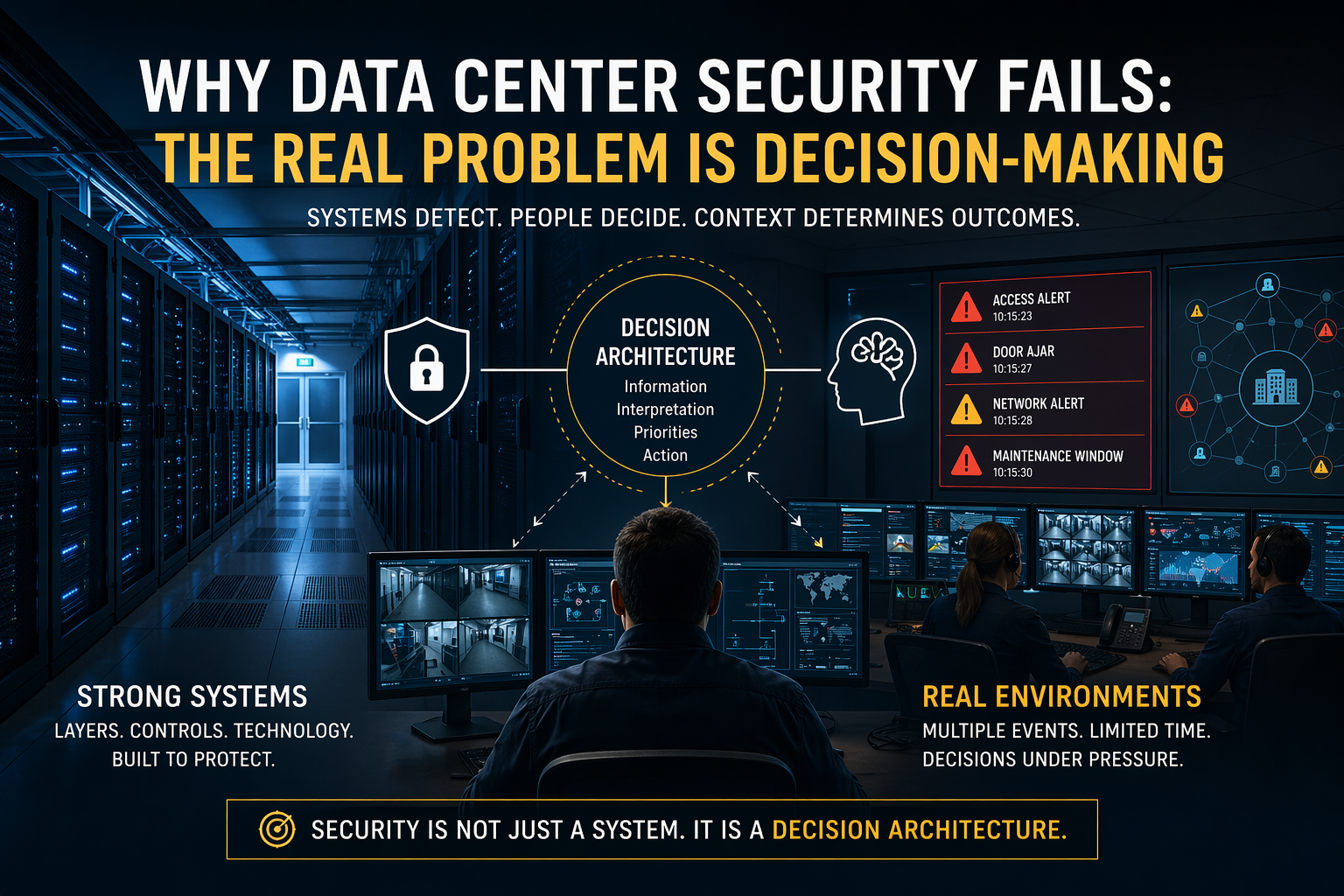
Physical access to a rack introduces immediate logical risk. Once a cabinet is opened, exposure extends to the systems, networks, and data contained within. This necessitates tight integration between physical security systems and logical access controls. Identity management platforms should align with physical access systems to ensure that users granted cabinet access have corresponding system permissions that are appropriate to their role and task. Access should be time-bound and associated with specific work orders or tickets, ensuring that both physical and logical activities are synchronized. Unified logging across physical and logical domains enables comprehensive auditability, allowing organizations to correlate access events with system activity and support incident response.
In higher security environments, this control model is often extended beyond the rack to include secure cages with additional access layers. A common design pattern includes a dedicated cage within the data hall protected by a mantrap. The mantrap enforces single-person entry, prevents tailgating, and ensures that identity verification occurs before access is granted to the enclosed space. Within the cage, access is further restricted to specific racks using electronic cabinet locks. This layered approach creates a controlled progression: facility access, data hall access, cage access, and finally rack access. The purpose is to reduce the risk of unauthorized interaction, limit lateral movement, and create clear accountability at each boundary. In environments supporting regulated workloads, critical infrastructure, or high-value assets, this design provides both security and auditability, ensuring that access is deliberate, observable, and defensible.
Governance is the critical layer that ensures these controls function effectively. Technology provides enforcement and visibility, but policy defines authorization workflows, access duration, monitoring requirements, and accountability. Clear ownership must be established for rack-level access decisions, including responsibility for approval, oversight, and revocation. Compliance frameworks such as NERC CIP, ISO 27001, and SOC 2 offer structured guidance, but their effectiveness depends on consistent application at the operational level. Commissioning processes should include scenario-based validation of rack-level controls, ensuring that detection, alerting, and response mechanisms operate as designed under real-world conditions.
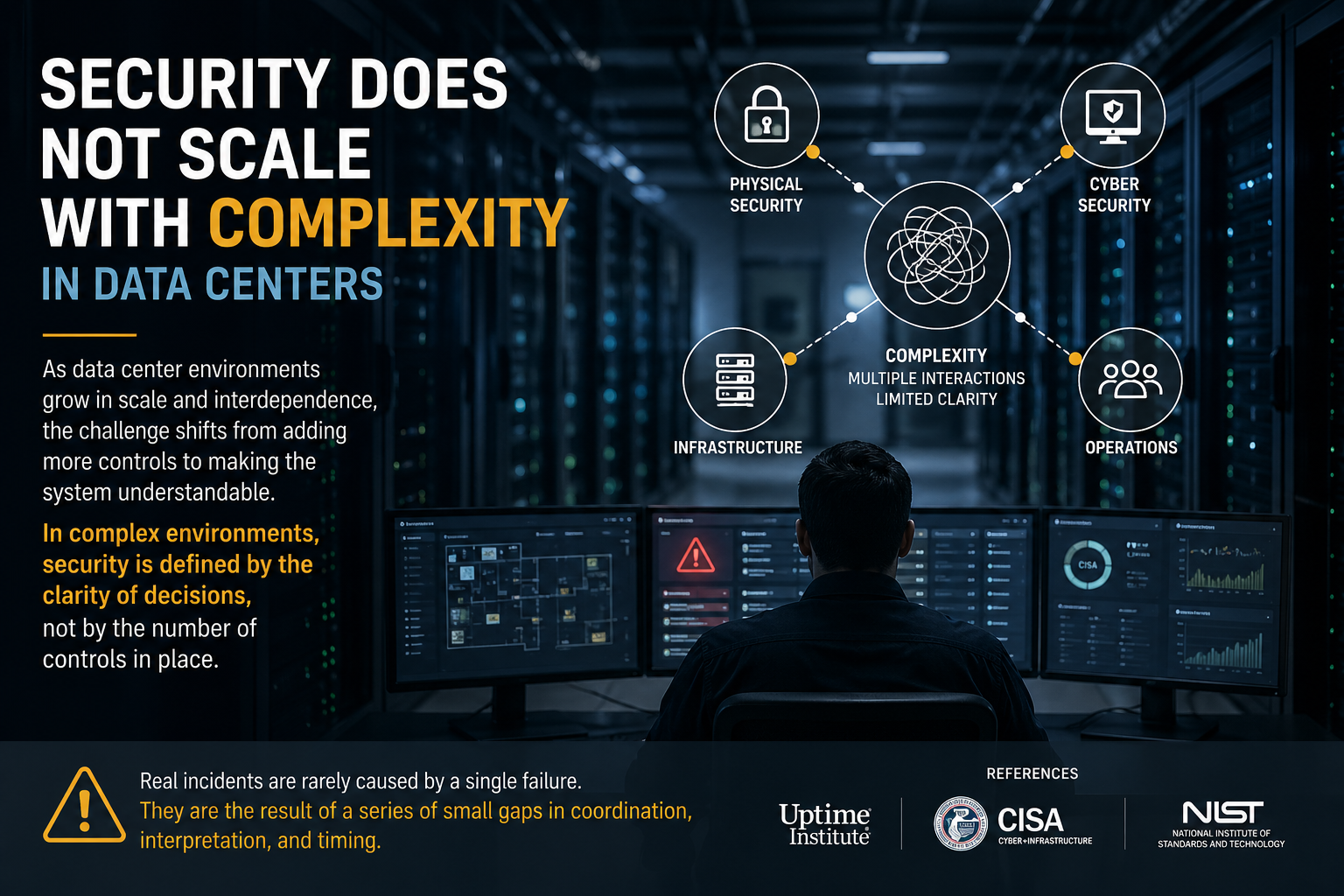
Operational risk at the rack level is most often introduced through process gaps rather than technical limitations. Overly broad access permissions, failure to revoke temporary access, prolonged cabinet exposure during maintenance, and insufficient log review contribute to cumulative risk. These issues are frequently the result of fragmented systems and unclear governance structures, where physical security, cybersecurity, and operations functions are not fully integrated. Addressing these gaps requires a unified approach that treats the rack as a singular control point across all domains.
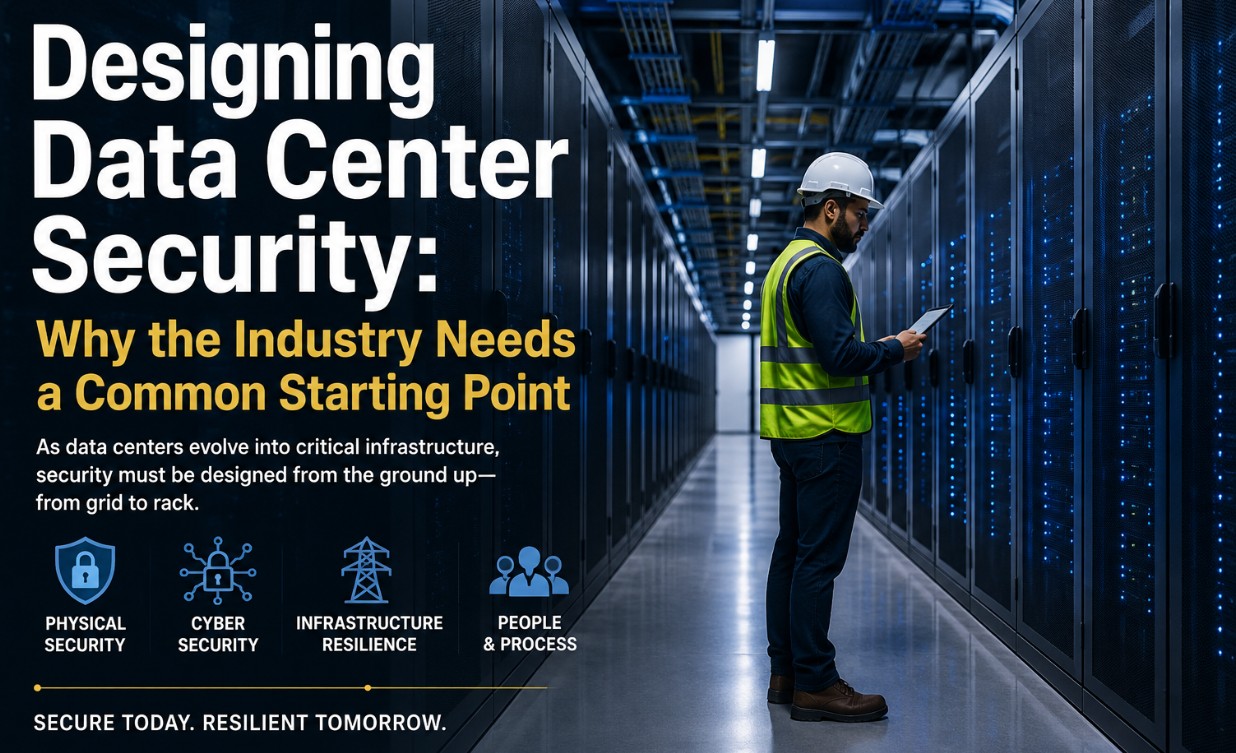
Effective rack-level security must be addressed throughout the data center lifecycle. During design, requirements should be established in coordination with architectural, electrical, and mechanical systems. Specifications must clearly define cabinet-level controls, integration requirements, and performance criteria. Deployment must ensure proper installation and system interoperability. Commissioning should validate functionality through operational testing scenarios. Ongoing operations must maintain discipline through policy enforcement, continuous monitoring, and periodic review of access and activity.
The rack represents the convergence of physical security, logical control, and governance. It is the point at which access becomes action and where control must be both precise and verifiable. When these elements are aligned, the rack serves as a controlled and observable boundary that supports resilient operations. When they are not, it becomes a point of exposure that undermines the effectiveness of all other security layers within the data center.
About the Author: Chris Hills is a senior security and data center infrastructure leader with more than two decades of experience across physical security, cybersecurity, and mission-critical environments. His work spans hyperscale, enterprise, and colocation data centers, where he has led security strategy, design, and governance initiatives that integrate physical, logical, and operational controls into cohesive, resilient systems. A veteran of the U.S. Army Military Police and a recognized voice in the AEC and security communities, Chris brings a practitioner’s perspective to securing complex infrastructure. He is the author of Data Center Security: The Blueprint for Resilient Infrastructure and continues to focus on advancing how security is designed, specified, and operated within modern data centers.
For more insights on data center security, governance, and emerging risks, visit DataCenterSecurity.net The weekly newsletter brings together original articles, industry analysis, and curated news focused on securing the infrastructure that powers today’s digital economy.