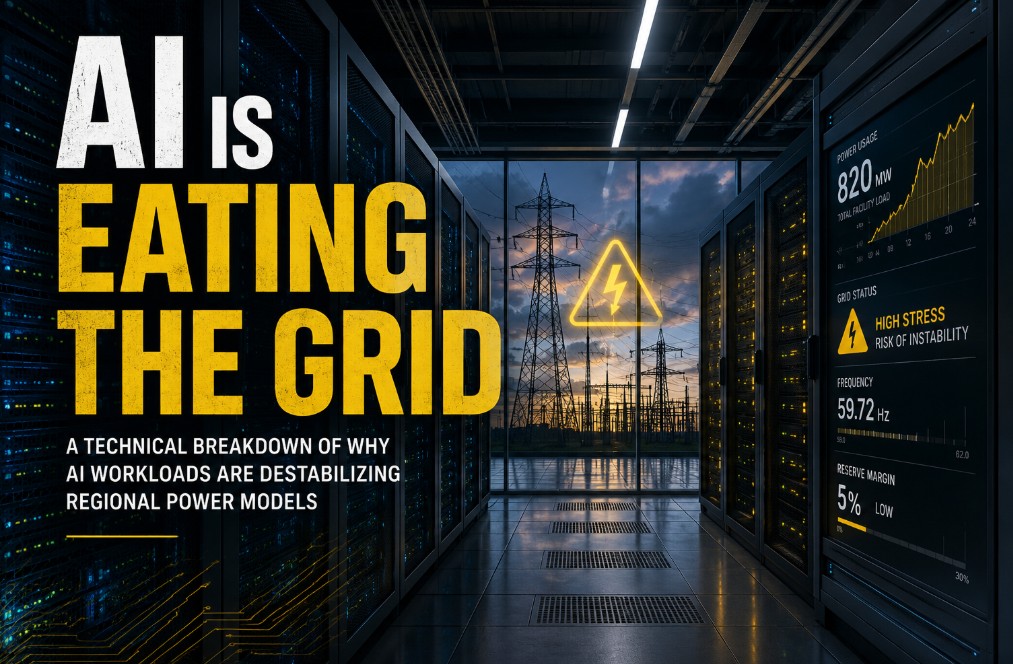

As AI workloads proliferate, data center power needs are surging. Grid interconnections, siting decisions, and financing models are being rethought to meet timelines in months rather than years. Across utilities, developers, and operators, a single imperative has emerged: deliver power faster.
Texas has become a leading hub for large-scale data centers, surpassing long-time strongholds like Northern Virginia. Speaking at PowerGen International in San Antonio on January 20-22, 2026, Elaina Ball, Chief Strategy Officer at CPS Energy, noted that regional grid capacity is being stretched by accelerating demand.
Ball noted that the Electric Reliability Council of Texas (ERCOT) can supply up to 85 GW of power during peak hours, yet even that level falls short of future needs. An additional 230 GW of planned capacity is in the interconnection queue seeking grid access, she said. To address bottlenecks, Texas has advanced rule changes aimed at faster interconnections and clearer cost allocation.
Another change shifts part of the grid-support cost burden to new projects. Data centers will be required to contribute to grid upgrades needed to serve their facilities, easing pressure on consumers and helping prevent rising electricity bills. “Texas Senate Bill 6 standardizes interconnect fees and apportions transmission costs fairly so data centers pay their share better,” Ball said.
Ball outlined CPS Energy’s response to rising data center loads and evolving reliability needs. The company learned a hard lesson during Winter Storm Uri in February 2021, which caused widespread grid disruption. Since then, CPS has tightened cold-weather procedures, retired or converted aging assets, and added gas, solar, wind, and battery resources to bolster capacity and resilience.
“Our demand forecast has more than doubled, so we will be building more generation plants and also buying more power facilities,” Ball said. “It is all about speed to market. A couple of years ago, the focus was on decarbonization, but the dialogue has changed, and now it is all about the time to power.”
Project scale is increasing rapidly: Proposals at 100-300 MW have given way to gigawatt-class sites, stretching utility planning and delivery, Alessandrini said. CyrusOne’s goal is to add 1 GW of new data centers per year.
“You have to plan long term along many channels, which includes co-development of new facilities, and behind-the-meter power [BTM] rather than waiting on grid availability,” Alessandrini said. “New power will largely be BTM, but most will then become connected to the grid later.”