Soluna Holdings, a renewable energy-focused data center developer for AI and bitcoin mining operations, has signed a co-development partnership with Metrobloks to build the next phase of the company’s digital infrastructure campus in Texas.
The initial development for the Project Kati 2 facility in Willacy County will be a 100+ MW AI and high-performance compute (HPC) data center. This marks the first phase of a larger development, with an expansion roadmap supporting more than 300 MW of total capacity.
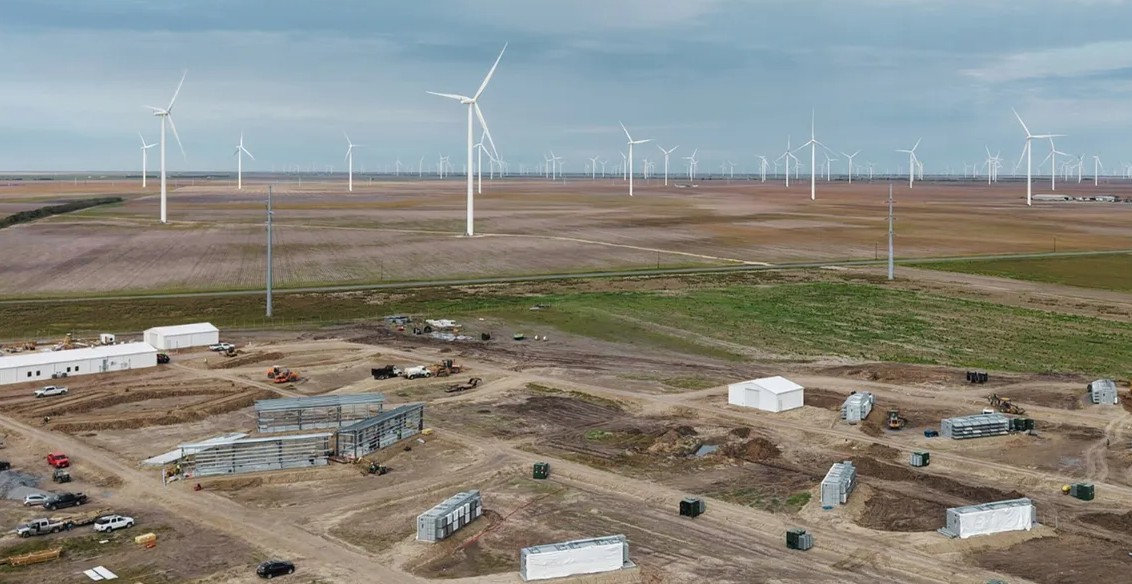
Project Kati: A Renewable-Powered Campus
Soluna broke ground on Project Kati in September 2025. The 166 MW Texas wind-powered campus in Willacy County is being developed in two phases:
Phase 1 (Kati 1): This phase, expected to open later this year, will support Bitcoin hosting alongside AI and HPC infrastructure.
Phase 2 (Kati 2): This phase aims to establish Project Kati as a renewable-powered, dual-purpose facility capable of serving both cryptomining and AI/HPC customers as demand evolves.
Under the terms of the partnership, Soluna and Metrobloks intend to form a project company to own and operate Project Kati 2. Metrobloks will lead the design, development, leasing, and day-to-day operations, while Soluna will contribute site control, power entitlements, electrical equipment, and development expertise.
A Soluna spokesperson told Data Center Knowledge that Project Kati 2 will be located on a separate campus just across from Kati 1. A target completion date has not yet been confirmed.
Read the rest of this Article >>