In 2025, data centers face a rapidly evolving security landscape, driven by technological advancements like artificial intelligence, cloud integration, the Internet of Things, and a rise in sophisticated attacks. Security has transitioned from a secondary concern to an essential element of operations and service continuity, requiring a comprehensive, proactive approach.
As the need for data storage, processing, and transmission rises, the security challenges facing data centers intensify. Data centers, being essential to the economy, are primary targets for hostile nation-states and criminal organizations. Security must be a fundamental focus.
Data center security is a robust, multi-faceted strategy that integrates both physical and cybersecurity safeguards to safeguard critical information and ensure operational continuity via human-AI cooperation. It necessitates security that prioritizes resilience, ongoing adaptation, and robust internal and external collaborations.
Prerequisites for Data Center Physical Security
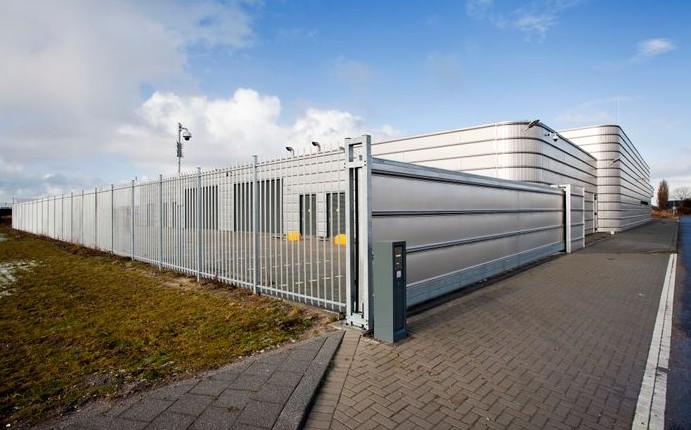
Safeguarding the Data Center requires a targeted plan that integrates technology, training, and resiliency. Security measures like fences, gates, surveillance cameras, motion detectors, and staffed security stations are necessary to control access to facilities. Contemporary physical security systems include sophisticated sensors, artificial intelligence, and analytics to detect and address threats instantaneously, activating automated alarms and defensive actions. The conclusion is that real-time threat detection and automated responses provide enhanced physical security.
AI-driven monitoring and access control is an emerging concept in data center security. AI-enhanced surveillance systems are more advanced, scrutinizing real-time footage to identify anomalous activity and anticipate any security breaches. Perimeter security is enhanced by technology such as automatic gates, high-definition cameras, and sophisticated motion sensors, which identify dangers before they arrive at the property boundary. Drones are progressively used for monitoring extensive or inaccessible regions, delivering real-time imagery and augmenting surveillance efficacy.
Non-AI-driven access control is also essential. It is prudent to create zones based on the sensitivity of equipment and data, with stricter access controls for critical infrastructure areas like server rooms.
A crucial element of effective access control is biometric security. Biometric authentication techniques, such as face recognition, fingerprint scanning, and retinal scans, are progressively replacing conventional access methods. These solutions enhance security and efficiency by automating monitoring and access procedures. Privacy issues, expenses, precision, user approval, and system integration might be challenging, but doable.
Biometrics uses distinctive physiological and behavioral traits for identification and authentication. Biometrics may be integrated with other authentication elements, such as passwords or access cards, to enhance security measures.
Read the rest of this Article >>